

COLOR


SEARCH
Events
Inclusive Spaces: A Cross-Disability Walkthrough at MAP
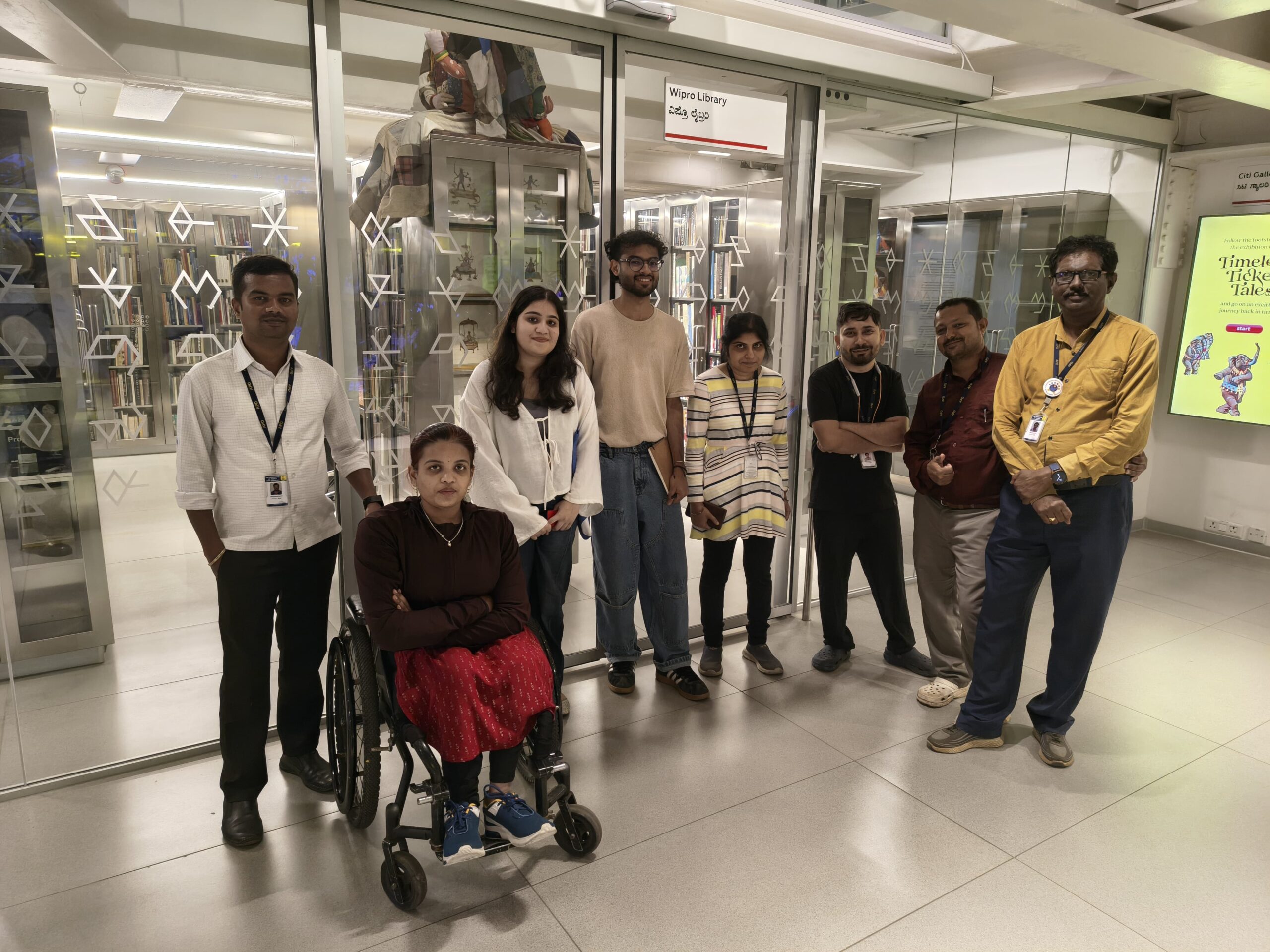
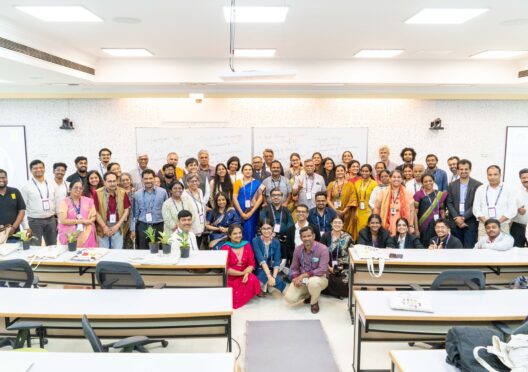
On January 28th, the Association of People with Disability (APD) conducted an accessibility walkthrough at the Museum of Art and Photography (MAP) to evaluate the visitor experience through a true cross-disability lens.
Coordinated by Kumar Mahavir of the Yes to Access (YTA) initiative, the team moved beyond basic compliance checklists to test real-world usability. Our experts brought diverse lived experiences to the forefront:
- Auditory Access: Mir Fazi, Manjunatha B J, and Manojan A S assessed the museum for barriers affecting the Hearing Impaired community, focusing on visual signaling and communication gaps.
- Visual Access: Sushma evaluated navigation and engagement from a Visually Impaired perspective.
- Locomotor Access: Anusha OC assessed the museum from the perspective of wheelchair accessibility.
Major Gaps and Recommendations
- Lack of Closed Captioning in 3D Video Illustrations- The absence of closed captioning in 3D video illustrations limits access for persons with hearing impairment. It is recommended that embedded captions be integrated directly into all videos to ensure an inclusive and well-rounded viewing experience.
- Absence of Audio Descriptions for Art Illustrations– The art illustrations currently lack audio descriptions, creating barriers for persons with visual impairment. Providing audio descriptions—either through built-in narration or via assistive earpieces—would enhance accessibility and enable a more meaningful engagement with the exhibits.
- Inadequate Wayfinding to Seating Areas and Raised Platforms in Dark Spaces– The absence of a clear guiding path leading to seating areas or raised platforms in dimly lit rooms poses significant challenges for persons with locomotor disabilities and those with low vision. Tactile or illuminated guiding pathways should be introduced to improve navigation and safety.
- Lack of Tactile Pathways Across the Building– The building does not provide continuous tactile pathways, making independent navigation difficult for persons with visual impairment. Installation of tactile flooring throughout key circulation routes is strongly recommended to create a more accessible built environment.
- Insufficient Accessible Signage– The lack of clear, accessible, and standardized signage has led to confusion in navigation within the building. It is recommended that the facility adopt universally designed signage—including high-contrast text, braille, pictograms, and consistent placement—to support all users.
This walkthrough underscores APD’s commitment to Universal Design—ensuring that culture and art are accessible to everyone, without exception.
Share


Related Blogs
Our Partners