COLOR


SEARCH
Bihar Election 2025: The Ballot of Inaccessibility
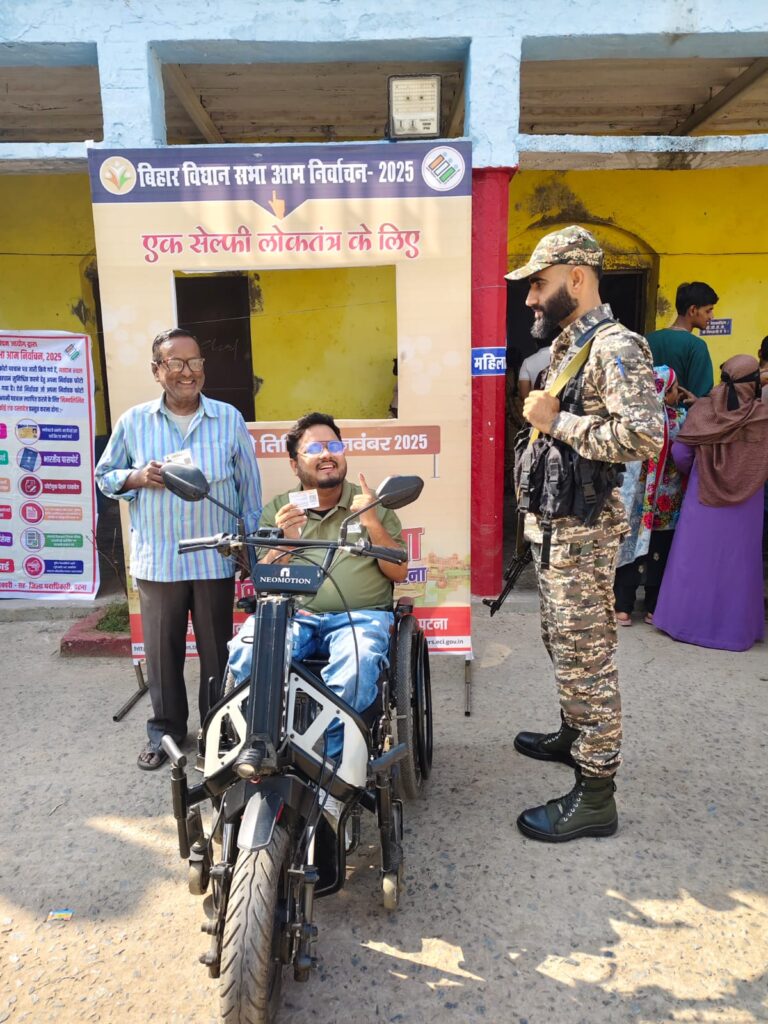
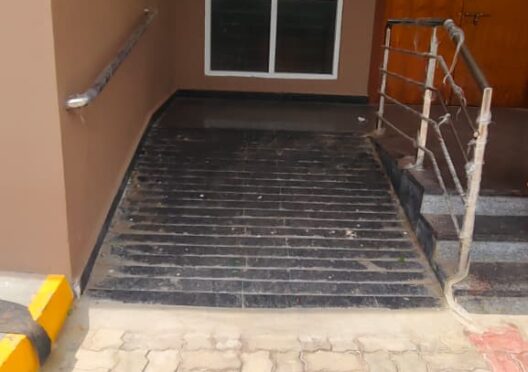
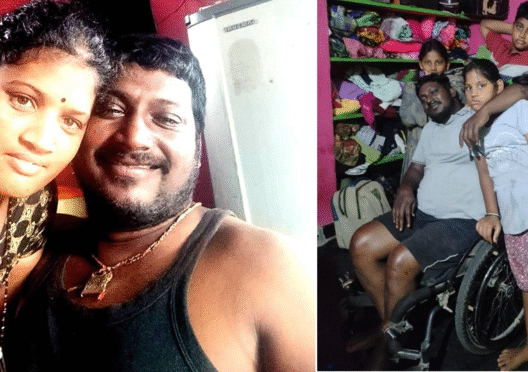
Rahul Dayal, a national wheelchair rugby player, arrived at a polling station in Patna to cast his vote. His resolve met a barrier at the very entrance. “There was no ramp or volunteer support available, just a broken, ill-maintained wheelchair. Although the polling booth was on the ground floor, my father had to lift my wheelchair inside due to uneven ground,” he recalled. What should have been a seamless civic act turned into a struggle for basic access, underscoring a larger concern: how accessible and inclusive was the voting experience for persons with disabilities in Bihar this election?
As Bihar headed into the 2025 elections, the state’s disability landscape reflected both progress and persistent challenges in ensuring electoral inclusion. With over 23 lakh persons with disabilities (mostly in rural districts), accessibility gaps in infrastructure, information, and assistance remain significant. Despite measures such as multi-level disability coordinators, accessible polling stations, and the use of Braille-enabled EVMs under the Election Commission’s accessibility guidelines, on-ground implementation varied widely.
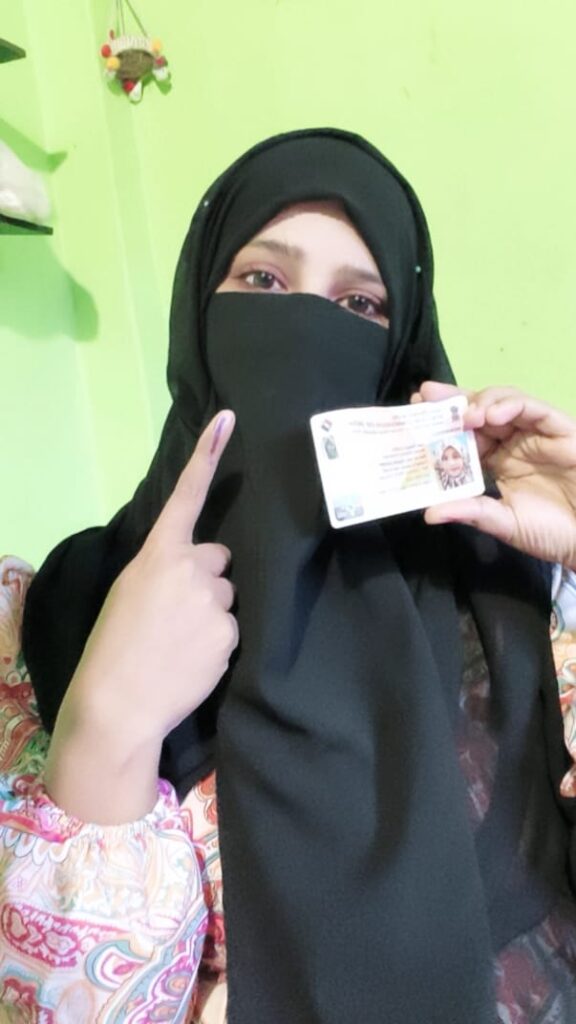
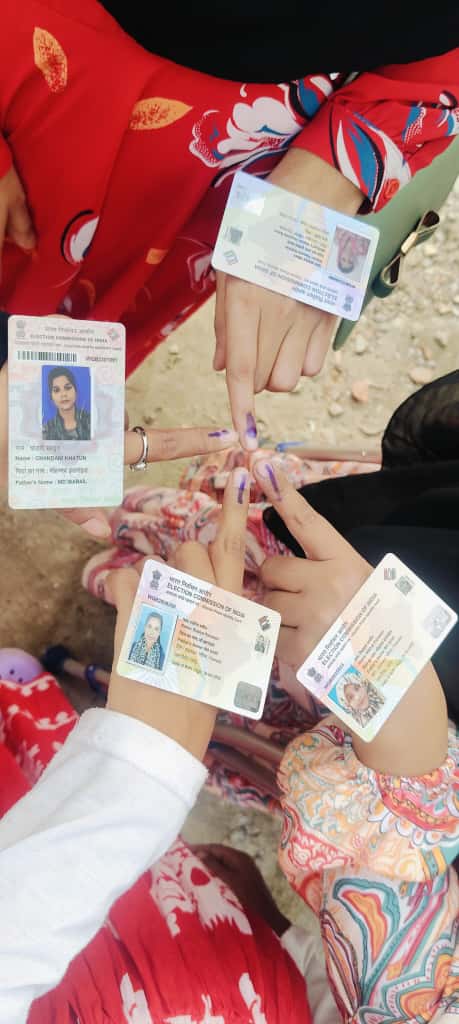
Nikaht Perween, a government job aspirant looking forward to working in the Bihar Rural Livelihoods Promotion Society (BRLPS, also known as Jeevika) under the Department of Rural Development. Nikhat is a two time voter and a person living with Polio. “The polling booths were not on the ground floor. There were stairs that required persons with disabilities to be picked up in order to reach. The booth itself felt narrow for me to use my crutches but the booths for wheelchair users seemed quite broad’ elaborating that despite being a person with disability, she was made to use the long cues that do not cater to her needs.
“There was no one at the polling station to help. I had asked my younger sister to come along. She is the one who helped me reach the booth,” pointing out how she often plans ahead to function in a system that works againstPeople with Disabilities.. “Privacy was not accounted for either”, Nikhat explained. Whereas Rahul, casting his vote in Danapur vidhan sabha was provided with optimum privacy. Noting that a voter’s dignity and the right to a secret ballot often depend entirely on how the polling station is set up.
Many voters with disabilities continue to face physical barriers, lack of accessible transport, or inadequate staff sensitization at polling booths. The state’s low literacy and employment rates among persons with disabilities further compound their political marginalization. While Bihar’s 2025 elections mark a growing recognition of disability rights in the democratic process, the challenge remains to translate policy commitments into consistent, barrier-free participation for all voters.
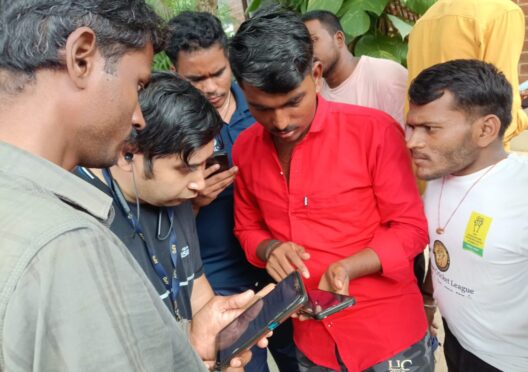
“This time, I had hoped things would be better with the Saksham App. It was promoted highly, even I promoted it via social media but when I reached my polling station, no support was to be found,” said Rahul. The Saksham App was introduced to help voters with disabilities request assistance services like wheelchairs, transport, volunteer support, and E-voting; aiming to make polling more inclusive. However, despite its promise, voters reported lack of on-ground response, revealing a sharp contrast between policy intent and actual implementation.
“The app could have proven to be beneficial for my quadriplegic friends, for senior citizens who may be bedridden, for people with back or lower body injury,” Rahul explained. “Even if the Saksham app worked perfectly and allowed me to e-vote, I would still go to the polling station,” Rahul says. “When people see me, a man who is paralysed and using a Neomotion wheelchair, make the effort to travel and vote, it tells them that they can too.”Rahul often uses social media to motivate others, sharing his journey and outlook. He says it was through social media that he first realised he could rebuild his life after the injury that left him paralysed.
While Bihar has made formal policy commitments and is implementing welfare measures for persons with disabilities, the actual situation reveals significant gaps in certification, education, employment, accessibility and poverty. The low rates of literacy, employment and certificate-coverage highlight the need for stronger, inclusive implementation to ensure persons with disabilities can participate fully in social, economic and political life.
During the registration process, I didn’t have to choose any disability marker. I don’t think I opted for it even when my voter ID was made,” said Nikhat. Whereas Rahul, despite making sure of the disability marker on his Voter ID and Saksham app profile, did not receive any support. This gap reflects how the monitoring of persons with disabilities and their specific needs remains disconnected and often falls short.
While the Election Commission’s Crossing the Barriers: Accessibility Initiatives 2021 introduced committees, accessible polling, and inclusive voter education to promote participation of persons with disabilities, significant barriers remain. Legal ambiguities, inaccessible infrastructure, and procedural lapses continue to restrict full inclusion, combined with deep-rooted social prejudices and intersecting inequalities of caste, gender, and class.
“ I want to strengthen our democracy. Issues like employment, education, healthcare, improving conditions, and ending migration from Bihar, all these matters inspire me to vote every time” says Nikhat explaining what motivates her to vote. Despite facing a system that rarely works in their favour, many voters with disabilities remain eager to participate. Their commitment comes from hope and the belief that showing up is the first step toward change.


Related Blogs





Our Partners