

COLOR


SEARCH
05/05/2026
Kavya Poornima Balajepalli
Access Adda Blog Competition
Navigating Spaces, Negotiating Access- A Daily Reality
I was trained to design spaces, not to be excluded by them.
August 12, 2017 changed how I experience the world. It was during the final year of my architecture studies that I lost my eyesight due to Idiopathic Intracranial Hypertension (IIH), a rare, chronic, dynamic neurological condition. Since then, my relationship with space, mobility, and independence is something I navigate every l day.
Yet, my understanding of accessibility did not begin there. It began much earlier—long before I had the language for it.
I grew up in a vernacular ancestral home with a joint family, where spaces were shaped by lived wisdom rather than codes or compliance frameworks. The house responded to climate, people, and everyday life. It carried an unspoken understanding of interdependence—of elders, children, women, and others coexisting within shared spaces. Universal design, though unnamed, was embedded.
Through formal architectural education, I began to recognise how modern systems had moved away from this intuitive inclusivity. The gap became deeply personal in my final year, when my own relationship with space changed drastically.
Even earlier, I had my first encounter with inaccessibility.
In my second year, I fractured my leg. On the day of my semester exam, the hall was on the top floor, with no functioning lift. I had to depend on others to carry me up the stairs. I was lifted by strangers—men—without consent or communication, in front of my mother. That moment stayed with me. It changed how I understood space—something that can either hold dignity or take it away.
Years later, after acquiring my disability, I began to understand this more deeply. Stepping out is never just about reaching a destination. It begins with uncertainty—of whether the environment will support me or resist me.
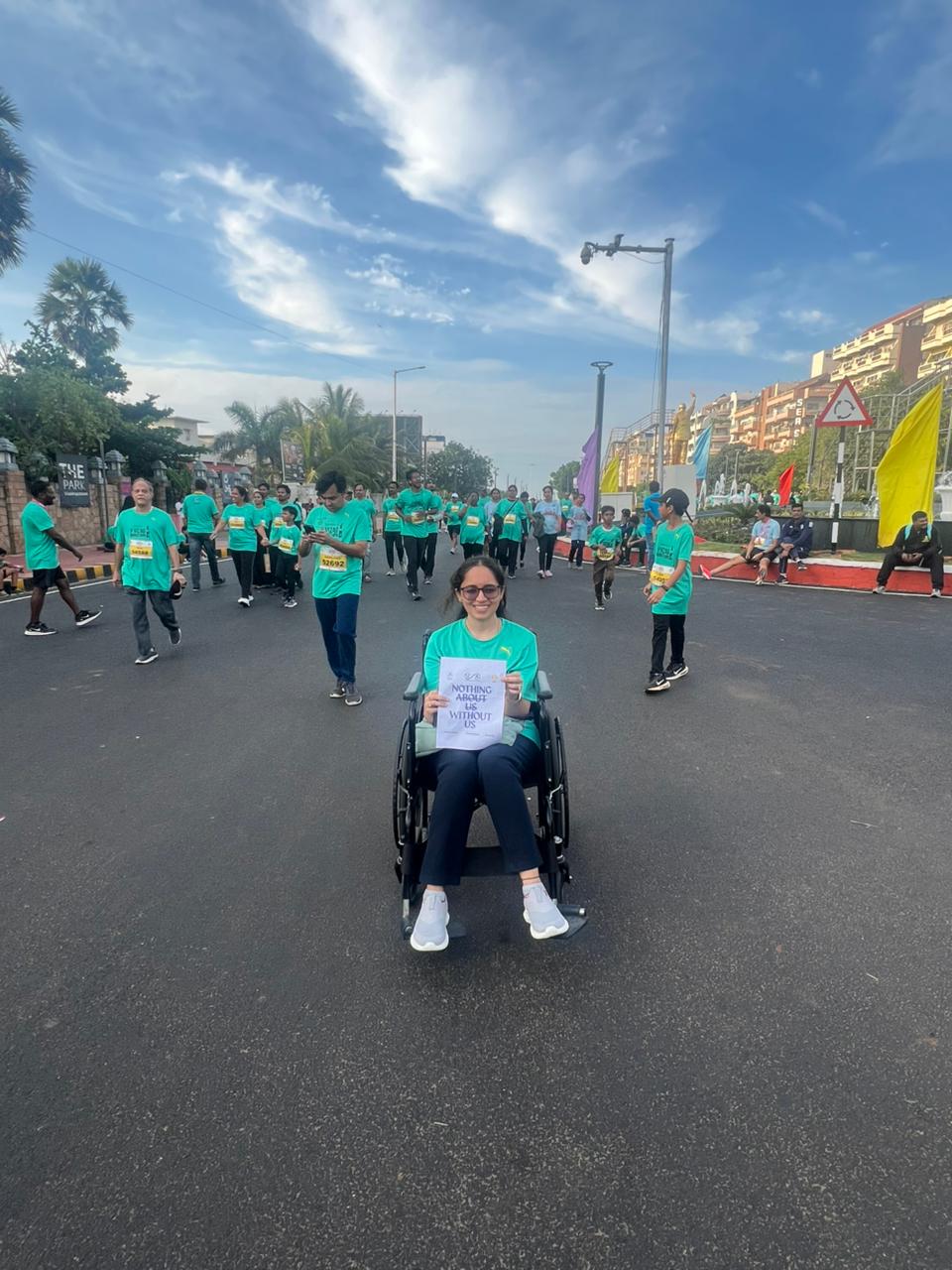
My disability is not always visible. To navigate this, I carry a white cane—even when guided—to signal my needs in public spaces. It reduces constant explanation and allows me to move with clarity and dignity. In dense crowds or long distances, I also rely on a wheelchair. Mobility, for me, is adaptive.
And yet, the environment does not always respond.
Uneven roads, potholes, and inaccessible pathways are risks. A small slip or jerk could damage my brain shunt implant, leading to serious medical consequences. Routine systems like security checks and metal detectors are not neutral—they require constant negotiation. Safety and movement are inseparable from design.
Over time, I began to recognise a pattern—what I have come to understand as accessibility anxiety: the distress of not knowing whether a space will be safe, navigable, or supportive. It begins even
before leaving home—mapping routes, anticipating barriers, and preparing for exclusion. This preparation often extends to digital spaces, where I rely on accessible platforms and communication to plan and navigate. When these fail, the uncertainty deepens
In India, where density and diversity shape daily life, this is as much a psychological issue as a systemic one. The uncertainty and constant adaptation take a cumulative toll, amplified during emergencies, disasters, or extreme climate events when systems fail to respond to vulnerable populations. These are not distant possibilities—they are everyday realities for many.
In such moments, this is closely tied to mental well-being.
Built environments influence how we feel, move, and participate. Inaccessible spaces intensify stress and isolation. Inclusive environments enable participation and nurture a sense of belonging.
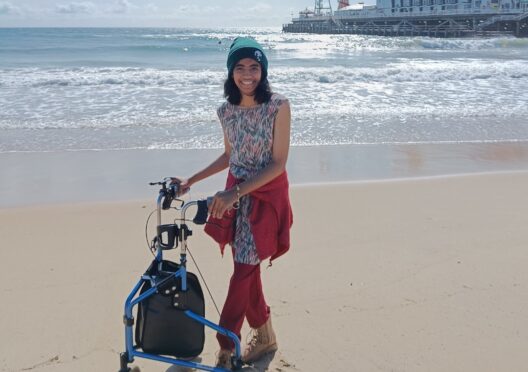
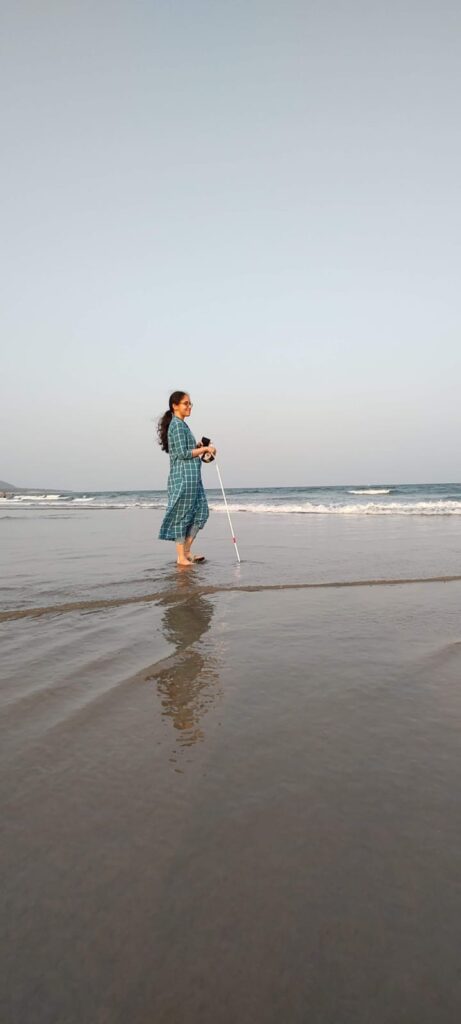
I experienced this contrast when I visited a beach after years confined at home. Reaching the shore meant navigating multiple barriers, but when I finally stood there—feeling the waves and rain—it was liberating. Nature felt inherently inclusive. Exclusion, I realized, is rarely natural—it is designed. And inclusion can be designed too.
That experience stayed with me as a reminder of what spaces can make possible.
This perspective shapes how I see access today—as a universal requirement, that supports everyone—elderly people, children, women, and those navigating vulnerability at different points in life. It recognizes interdependence. I rely on caregivers while also supporting others in my family. These roles shift constantly, depending on context and need.
Grounded in an inclusive-first mindset, my work across research, advocacy, and thought leadership advances a paradigm shift, one that recognises people with disabilities as contributors, professionals, consumers, and taxpayers, and reframes accessibility from a cost to an investment in productivity, empowerment, and equal opportunity.
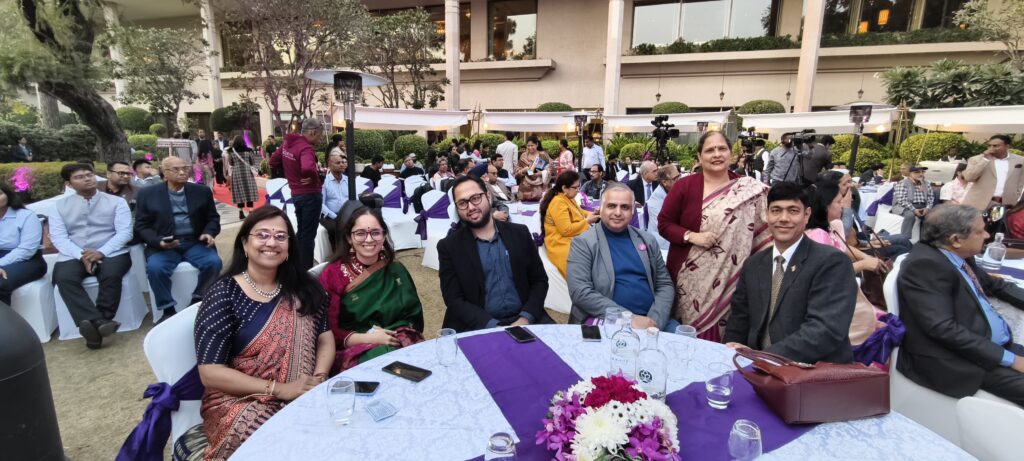
For this shift to move beyond intent, access must move beyond compliance to become a culture embedded in planning, policy, and practice.
The question is no longer whether we know how to design inclusively. We do.
The question is whether we are willing to make it the default, across design, policy, professions, and everyday decisions.
When we do, we move from isolated interventions to systems that support everyone. That is when spaces stop excluding—and start enabling life as it is meant to be lived.
Share


Related Blogs
Our Partners